


The *Aeromonas salmonicida* subsp. salmonicida (*A. salmonicida*) is a pathogen that causes significant economic losses in aquaculture. *A. salmonicida* is the etiological agent of furunculosis, a systemic disease characterized by high mortality and morbidity. This bacterium is known primarily as a salmonid pathogen; however, the number of hosts it can infect has now expanded to include other non-salmonid fish species of significant economic value, such as turbot (*Scophthalmus maximus*), cod (*Gadus morhua*) and sole (*Solea senegalensis*).
All studies agree that the causes of pathogenicity in this species depend on several virulence factors and, despite being a recognized pathogenic species for many years, the exact interaction between the bacterium and its host is still not fully understood. Some of the most important virulence factors in this bacterium are: the A-layer (which provides protection to the bacterium), the extracellular products (*ECP*, which contribute to the development of the disease) and the type III secretion system (*T3SS*, which translocates toxins to the host).
The Marine Microbiology team of the BYCIAMA group of the University of Vigo has focused in recent years on the study of *A. salmonicida* strains isolated from turbot. They demonstrated that these strains possess and express virulence genes (associated with different stages of infection) which, as is the case with salmonid strains, do not seem to be the only determinants of their virulence. In addition, they also demonstrated that *A. salmonicida* strains presenting different degrees of virulence shared the same genetic profile for the most common virulence factors of this species. The route of infection of this species and its persistence until causing death in turbot were also clarified. The results showed that *A. salmonicida* enters through the mucus, gills and/or intestine of the fish and rapidly colonizes its internal organs, persisting for at least seven days, after which it causes the death of the fish. In contrast, avirulent strains rarely colonize internal organs and are eliminated from fish tissues by the fourth day of infection.
Quorum sensing (QS) is a bacterial communication mechanism based on the expression and recognition of small signaling molecules, which allow bacteria to synchronize gene expression with population density (Figure 1). These signaling molecules are secreted extracellularly and, when a certain threshold concentration is reached outside the cell, they diffuse into the cell and bind to a receptor protein. This combination activates or represses gene expression, including several genes involved in bacterial virulence.

Figure 1. Schematic of how quorum sensing works. Source: http://www.advancedhealing.com/quorum-sensing-and-biofilm/
Studies of chemosystemic dispersal (CS) mechanisms in other pathogens led the research group to consider that in *A. salmonicida*, CS mechanisms could regulate the expression dynamics of virulence and other genes, thus distinguishing between virulent and avirulent strains. This led to the development of Leticia Rivera Fernández’s doctoral thesis.
This work investigated whether the CS system present in this bacterium, called AsaI/R, which has been poorly explored in this species, could be involved in regulating the expression of virulence factors and the virulence of the bacterium.
For this purpose, two strains of *A. salmonicida* were used, characterized by: distinct virulence behavior, the CS AsaI/R mechanism and the only genes previously confirmed as essential for the virulence of this species, namely the T3SS genes ascC and ascV. Mutant strains for the QS genes asaI or asaR, as well as strains in which these mutations were complemented, were also used.
In all strains, the expression of virulence genes was studied (quantification of the expression of the ascC and ascV genes, included in the T3SS). Differences in virulence levels were also analyzed (determination of the lethal dose 50 (LD50) both by intraperitoneal inoculation and by immersion in turbot), as well as the ability to cause infection in turbot (determination of bacterial distribution in the fish by immersion inoculation assays). These experiments were carried out at the ECIMAT facilities (Figure 2). The interactions between the genes of the QS system itself, asaI and asaR, were also studied (by quantifying their gene expression).
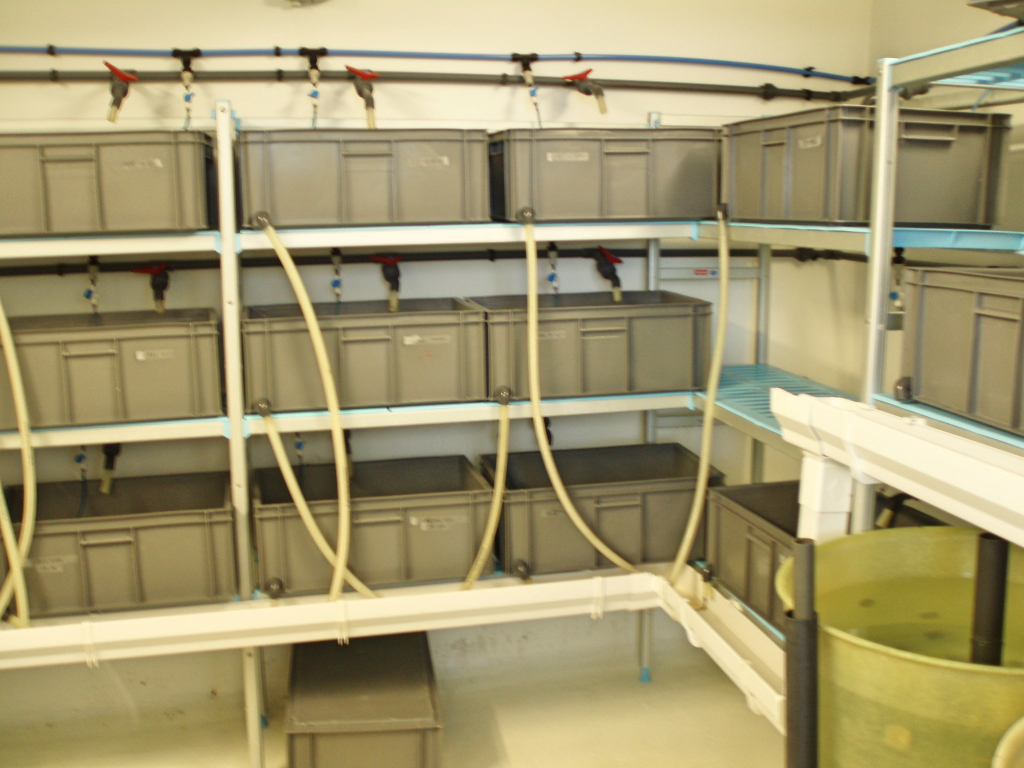
Figure 2. Installations at ECIMAT. © Leticia Rivera Fernández
The study used microbiological techniques and various molecular biology techniques, with the quantification of mutations and gene expression using quantitative real-time PCR (qPCR) being fundamental. This required prior optimization, which included the selection of appropriate reference genes and the assessment of their stability using several algorithms. Different relative quantification models were also evaluated. All of these methods represented an improvement in the selection of reference genes and quantification models to obtain accurate gene expression data in bacteria using qPCR, compared to existing methods. Therefore, in future studies, this would be the recommended tool to quantify gene expression in this and other bacterial species.
The results obtained provided relevant information on the function and regulatory role of the AsaI/R QS system in A. salmonicida. Thus, although the regulatory pattern of the asaR gene was similar in both strains, there are indications that the asaI gene plays a different role. These discrepancies could be key to explaining the differences in virulence and infectivity between the two strains.
Ultimately, the study improved our understanding of the virulence factors that regulate the ability of *A. salmonicida* to cause disease in its host, which will be invaluable in developing more effective disease prevention and control strategies.
